
Early literacy education is undergoing a powerful shift in 2025, and one method that continues to trend globally, especially among parents and educators in India, is the synthetic phonics method. Among various phonics programs, Jolly Phonics stands out for its child-centered, multisensory, and highly structured learning approach. Schools and parents using the Jolly Reading and Phonics Smart techniques are witnessing exceptional reading fluency and spelling accuracy in children as young as four.
At The Learning Barn Academy, we work closely with early learners every day, and their progress is proof that Jolly Phonics is not just a program it’s a game-changer. This blog explores what’s trending in the phonics space, how Jolly Phonics impacts young learners, real student experiences, and practical teaching tips for parents and teachers who want to support children effectively.
What is the Jolly Phonics Synthetic Phonics Method?
The synthetic phonics method teaches children to synthesize sounds (phonemes) to read and write words. Instead of memorising whole words through rote learning, children learn:
- 42 letter sounds
- Blending sounds to read
- Segmenting sounds to spell
- Letter formation techniques
- Tricky words
- Alternative spellings & pronunciations
This systematic approach builds strong decoding skills, enabling children to read independently at a very early stage.
In 2025, synthetic phonics continues to trend because educators are shifting from memorisation-based techniques to evidence-based learning that improves actual literacy outcomes.
Why Jolly Phonics Is Trending in 2025
Parents and educators are actively searching for structured phonics programs that:
✔ Improve reading fluency
✔ Encourage independent writing
✔ Support multilingual kids
✔ Build confidence early
Jolly Phonics ticks all these boxes and more.
The rise of digital learning tools, Phonics Smart activities, and interactive teaching methods has made phonics sessions even more engaging. Coupled with global research, Jolly Phonics is consistently ranked among the top early literacy programs worldwide.
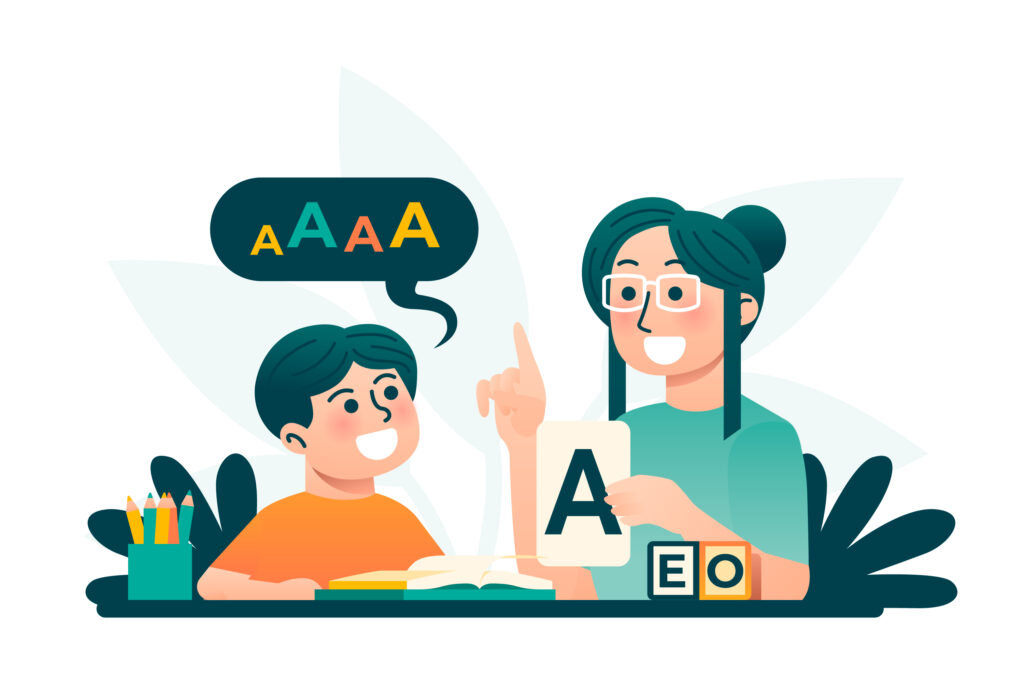
Benefits of Jolly Phonics for Young Learners
1. Faster Reading Progress
Children learn to decode words quickly, reducing dependence on memorisation.
2. Strong Spelling Skills
Because children understand sound patterns, they spell words logically and confidently.
3. Improved Pronunciation
Jolly Phonics focuses on accurate articulation of sounds, which is especially helpful for multilingual learners in India.
4. Boosted Confidence & Independence
Students begin reading small books, labeling objects, and writing their own sentences within weeks.
5. Multisensory Learning
Children learn through actions, songs, visual cues, stories, and writing, making learning enjoyable and interactive.
6. Better Transition to Higher Grades
Strong foundational literacy skills make it easier for students to understand grammar, vocabulary, comprehension, and creative writing later.
Why Jolly Phonics Works Exceptionally Well for Early Learners
Instead of relying on memorisation, Jolly Phonics helps children understand how words are built through sounds. This empowers young learners to tackle new words independently and improves their reading confidence.
Here’s why Jolly Phonics stands out:
✔ Clear Structure & Progression
Children learn sounds systematically in small, manageable steps.
✔ Multisensory Learning
Actions, songs, stories, and writing practice help children retain information.
✔ Fun & Engaging Activities
Blending games, sound hunts, and picture cues keeps learning interactive.
✔ Strong Reading Foundation
Students quickly move from CVC words to more complex patterns, improving fluency week by week.
✔ Supports All Learning Styles
Whether a child learns visually, auditorily, or through movement, the method adapts to every type.
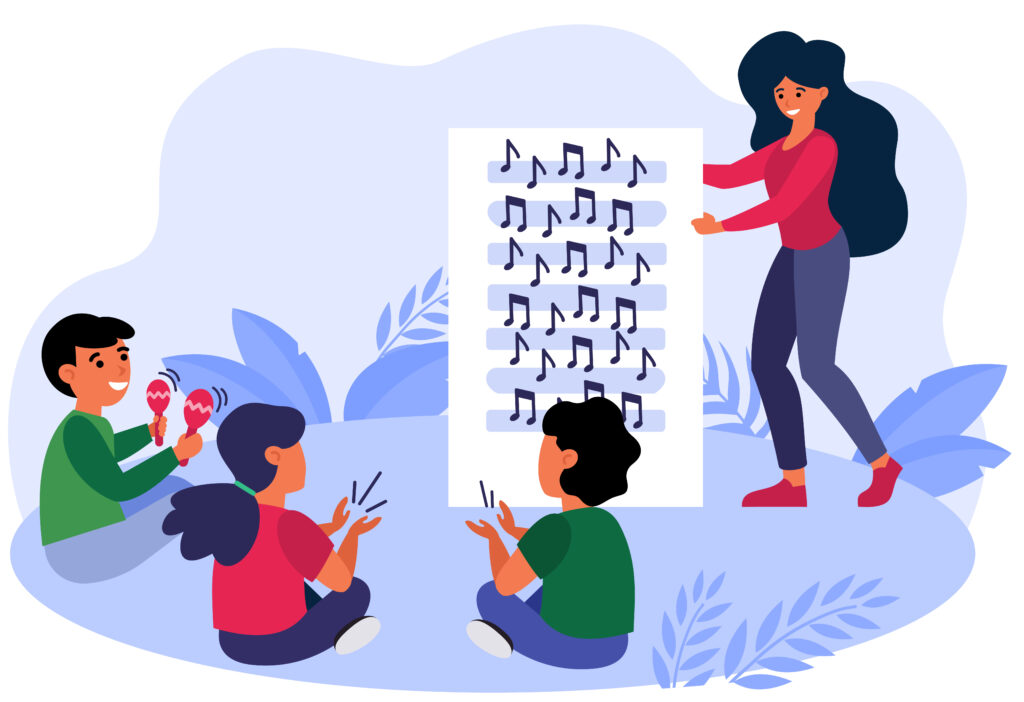
Trending Teaching Tips for 2025
(For Teachers & Parents Using Jolly Phonics)
To help your child or students get the best results, here are some trending and highly effective teaching tips:
1. Use Daily ‘Sound Review’ Sessions
Spend 5 minutes reviewing previously learned sounds to build long-term retention.
2. Introduce One Sound at a Time
Each sound should be taught using:
✔ Story
✔ Action
✔ Song
✔ Letter formation
This helps children remember sounds through multiple senses.
3. Practice Blending Every Day
Start with simple CVC words like cat, dog, pen, and slowly move to complex words.
4. Encourage Creative Sentence Building
Ask children to form small sentences using the words they learn. This encourages early writing habits.
5. Use Phonics Smart Tools
Interactive digital tools, cards, worksheets, and online stories help children practice independently.
6. Make Reading a Routine
10 minutes of daily reading increases fluency and comprehension dramatically.
Practical Advice for Parents at Home
If you want your child to succeed with the synthetic phonics method, here’s what you can do:
✔ Read with your child daily
✔ Avoid teaching letter names; early focus on sounds
✔ Let children attempt reading independently
✔ Appreciate their effort, not just accuracy
✔ Avoid rote learning of words
✔ Use fun games like “sound treasure hunts”
Small, consistent efforts at home make a big difference in a child’s phonics journey.
How The Learning Barn Academy Makes Phonics Smart and Fun
At The Learning Barn Academy, our Jolly Phonics program focuses on:
- Structured lesson plans
- Certified phonics trainers
- Interactive activities
- Phonics Smart games & worksheets
- Regular assessments
- Student progress tracking
- Individual attention
Whether it’s classroom activities, holiday assignments, or fun reading sessions, we ensure that children enjoy the learning process while developing strong reading and writing foundations.
Why Parents Prefer Jolly Phonics at TLB
Parents trust TLB because:
✔ We use proven synthetic phonics methods
✔ We prioritise personalised attention
✔ We track progress closely
✔ Children show visible improvement within weeks
Our results speak louder than words. Children grow into confident readers and communicators.
Conclusion:
The current education trend is clear:
Parents and educators want research-backed, child-friendly programs that deliver real results.
And Jolly Phonics continues to shine as one of the most impactful literacy methods of 2025.
Whether you’re a parent supporting your child at home or a teacher building strong literacy foundations in the classroom, the synthetic phonics approach offers unmatched benefits.
At The Learning Barn Academy, we are committed to making Jolly Reading and Phonics Smart accessible, engaging, and transformative for every child.
FAQs
1. What is the Jolly Phonics synthetic phonics method, and why is it effective?
The Jolly Phonics synthetic phonics method teaches children to identify letter sounds and blend them to read words. It is effective because it focuses on decoding skills rather than memorisation, helping children read fluently and spell confidently at an early age. This structured approach strengthens long-term literacy skills.
2. What age is ideal for starting Jolly Phonics?
Children can start Jolly Phonics as early as 3.5 to 4 years, when they begin identifying letters and sounds. Starting early helps build strong foundational reading skills, improves pronunciation, and boosts classroom readiness for LKG and UKG learners.
3. How does Jolly Phonics benefit young learners in India?
Jolly Phonics benefits young learners in India by improving English pronunciation, reading fluency, spelling accuracy, and vocabulary. Since many children come from multilingual backgrounds, the phonics-based approach helps them decode English words easily and reduces confusion caused by traditional rote-learning methods.
4. How can parents support their child’s Jolly Phonics learning at home?
Parents can support phonics learning by reviewing sounds daily, encouraging reading time, practicing blending games, and avoiding teaching letter names too early. Consistent practice at home through flashcards, sound hunts, or Jolly Reading worksheets helps children strengthen their reading and spelling skills faster.
